The impact of policy and cultural change on learning content
Educational materials reflect the society they are created for. When governments introduce new policies, regulations are updated, or everyday behaviours evolve, textbook and digital course content can quickly become out of date or non-compliant. This pressure is often most visible in English Language Teaching and Modern Foreign Languages, where activities frequently draw on real-life contexts such as technology use, communication habits, and everyday routines.
Sometimes the change is immediate. A new law, platform change, or compliance requirement can make a familiar classroom task inappropriate almost overnight. In other cases, the change is more gradual. Content can lose relevance as learners’ lives, tools, and expectations shift, even when no formal policy change is involved. Increasingly, developments in artificial intelligence are also shaping how learners study, work, and produce content, creating new expectations around what skills should be taught and how tasks are designed. Either way, educational organisations need a reliable way to review, update, and quality assure content at pace.
What changes in practice
Policy and regulatory shifts can affect both what content says and what it assumes learners can do.
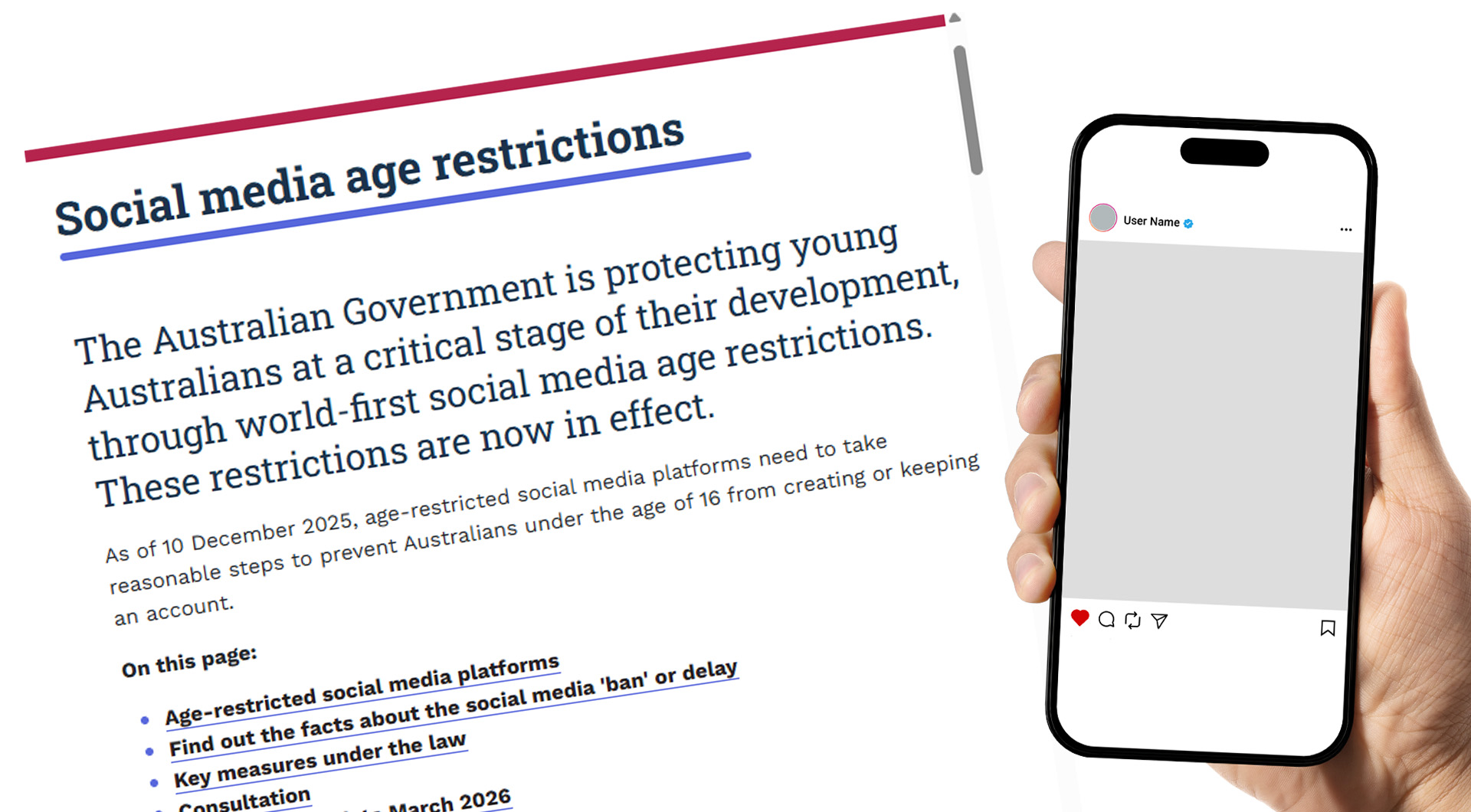
Recently, governments in Australia and Spain moved to ban social media use for under 16s, requiring platforms to block younger users. That makes common ELT tasks problematic, such as asking a learner to write a post for a social media platform. Publishers may need to revise activities, replace scenarios, or remove platform-specific references in new editions.
New laws and changes to curriculum frameworks in other regions have also had an impact in recent years. In some countries, including parts of the US as well as markets such as Turkey and India, updates have required certain topics or historical references to be removed or adjusted to meet guidelines.
Other policy changes can affect how content is framed or used. Updates to data protection rules or safeguarding requirements, for example, may limit how personal information is handled in classroom tasks.
Alongside policy-led change, practical and technological shifts also play a significant role. Platform features evolve, digital tools are replaced, and new tools are introduced. The growing use of AI in education is a good example. Learners may now be expected to work with AI-assisted writing, research, or problem-solving tools, which can affect how tasks are designed, assessed, and supported. Activities that assume entirely independent content creation may need to be reframed, and guidance for both teachers and learners may need updating to reflect responsible use.
Everyday behaviours and working patterns also continue to change. Tasks based on office-based routines or older communication methods may no longer reflect how people study and work today. Publishers often respond by updating scenarios and using more flexible, less platform-specific language.
Over time, many publishers also review content for broader suitability, including references to risk, safety, and age-appropriate behaviour. Activities based on outdated practices, such as relying on cash payments, can feel less relevant and may need refreshing to remain engaging and realistic, and references to alcohol, smoking, violence, or other sensitive topics may need to be removed.
Why this might be hard for publishers to manage alone
When policy changes impose bans or restrictions, publishers often need immediate content revision or removal. The safest route is to be cautious, which can lead to last-minute rework and inconsistent outcomes across markets.
When ideological shifts drive curriculum change, the work is deeper. Whole narratives may need rewriting. That can affect scope, sequencing, assessment, and teacher guidance.
When change is cultural, outdated examples reduce engagement and can undermine credibility. Inclusion expectations also evolve, so content that once passed review may need rechecking.
This is where an educational content services provider can add practical value.
How Haremi can help
Haremi can provide extra capacity, specialist skills and dedicated editorial processes, so your teams can respond quickly without impacting quality. Haremi offers a range of different services to publishers and other educational providers to help update or revise learning content.
Often, a useful first step is to run specialised content audits. That includes scanning for policy-sensitive references, or topics likely to trigger approval issues. We can also conduct relevance reviews, where dated technology, cultural references, or examples are refreshed in a controlled way.
The typical output from a content review is an editorial revision programme across different resource components. Updates rarely sit in one place. A single change can impact student books, workbooks, teacher notes, assessments, audio scripts, and digital activities. At Haremi we often coordinate editorial, design, and production workflows so that updates are implemented consistently across a range of product components, in time to meet specific market dates or production deadlines.
In our experience, a methodical editorial process also helps protect standards. Fast updates increase the risk of errors, misalignment, or uneven tone. Editorial oversight, curriculum alignment checks, and structured quality assurance measures help ensure revised content remains accurate, level-appropriate, and fit for purpose.
Many of our content revision projects incorporate a degree of localisation. What is acceptable in one market may not be acceptable in another. We've helped many learning providers develop local variants, adapt examples, and apply region-specific constraints while keeping the core learning aims intact. Find out more about how we do this in our regional market adaptation and localisation services overview.
We also document all editorial decisions made during a content revision process. When content changes because of policy or cultural risk, it is important to record what changed and why. Clear change logs and review notes help internal stakeholders, external reviewers, and future publishing teams.
If you'd like to discuss how we might be able to help you, send us an email or contact us.