Project management insights for educational publishing
Educational publishing projects often involve many moving parts. Content development, editorial review, design, accessibility, rights clearance and digital delivery all need to come together on time and to a high standard. Effective project management provides the structure that allows this to happen without compromising quality.
Based on Haremi's experience managing complex learning content creation projects, here are some practical approaches to help keep work on track and teams aligned.
Start with a shared understanding of scope
A well-defined project brief should clearly outline the deliverables, formats, target audiences, timelines and responsibilities, as well as specify what is outside the project's scope. This provides everyone involved with a shared point of reference and supports informed decision-making if changes to scope are proposed later on. At Haremi, we always aim to accommodate scope changes where possible, but we recognise that educational projects can easily grow as new ideas arise, which may put pressure on the schedule or project budget. When changes to scope are agreed, we make sure to discuss and clarify the reasons for the change, identify which components will be affected, set deadlines for the new requirements, and carefully consider any resulting impacts. At Haremi, we've developed templates for project requirements documents and success criteria checklists to ensure projects begin with clear definitions of successful outcomes.
Build realistic timelines around dependencies
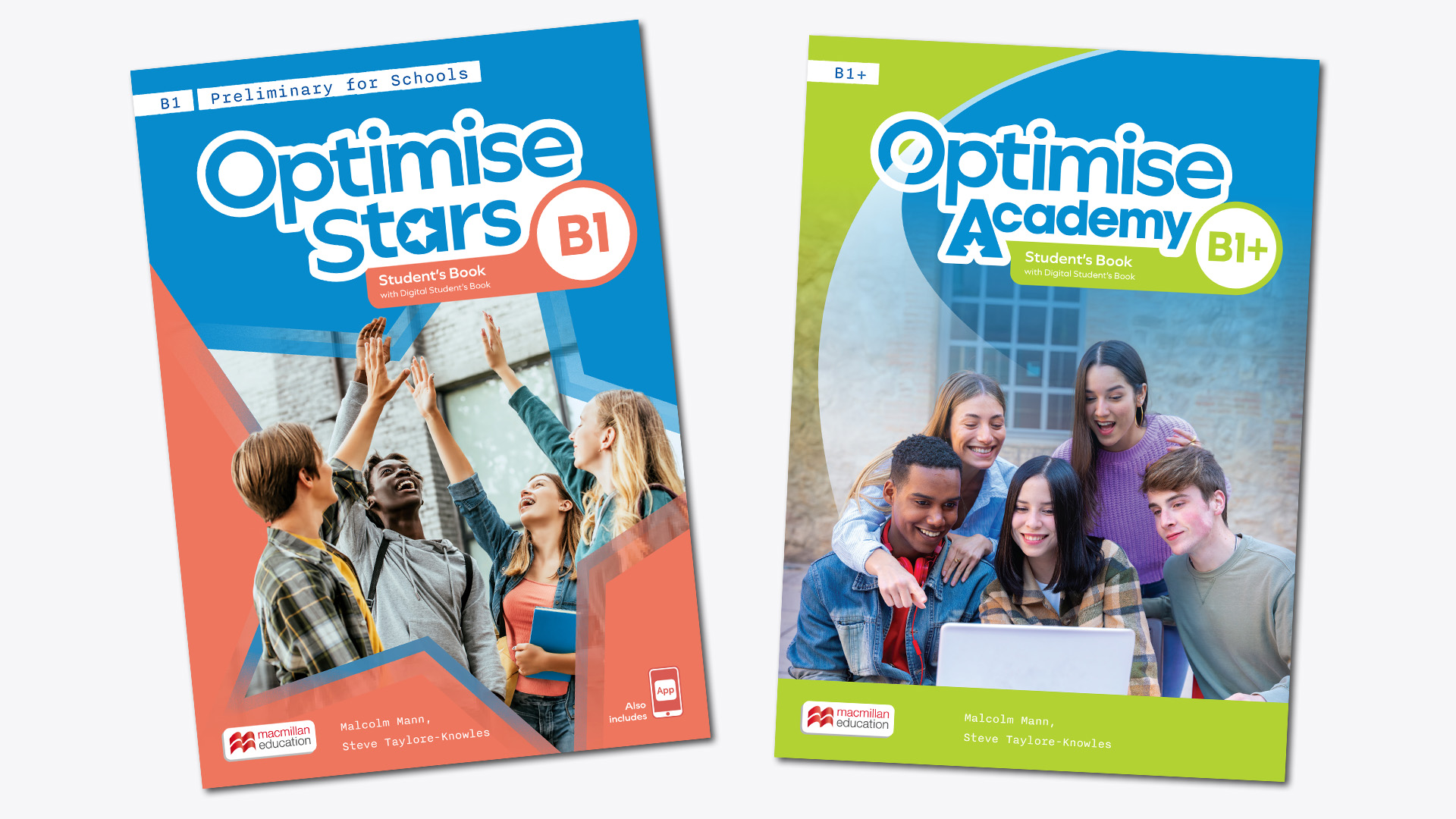
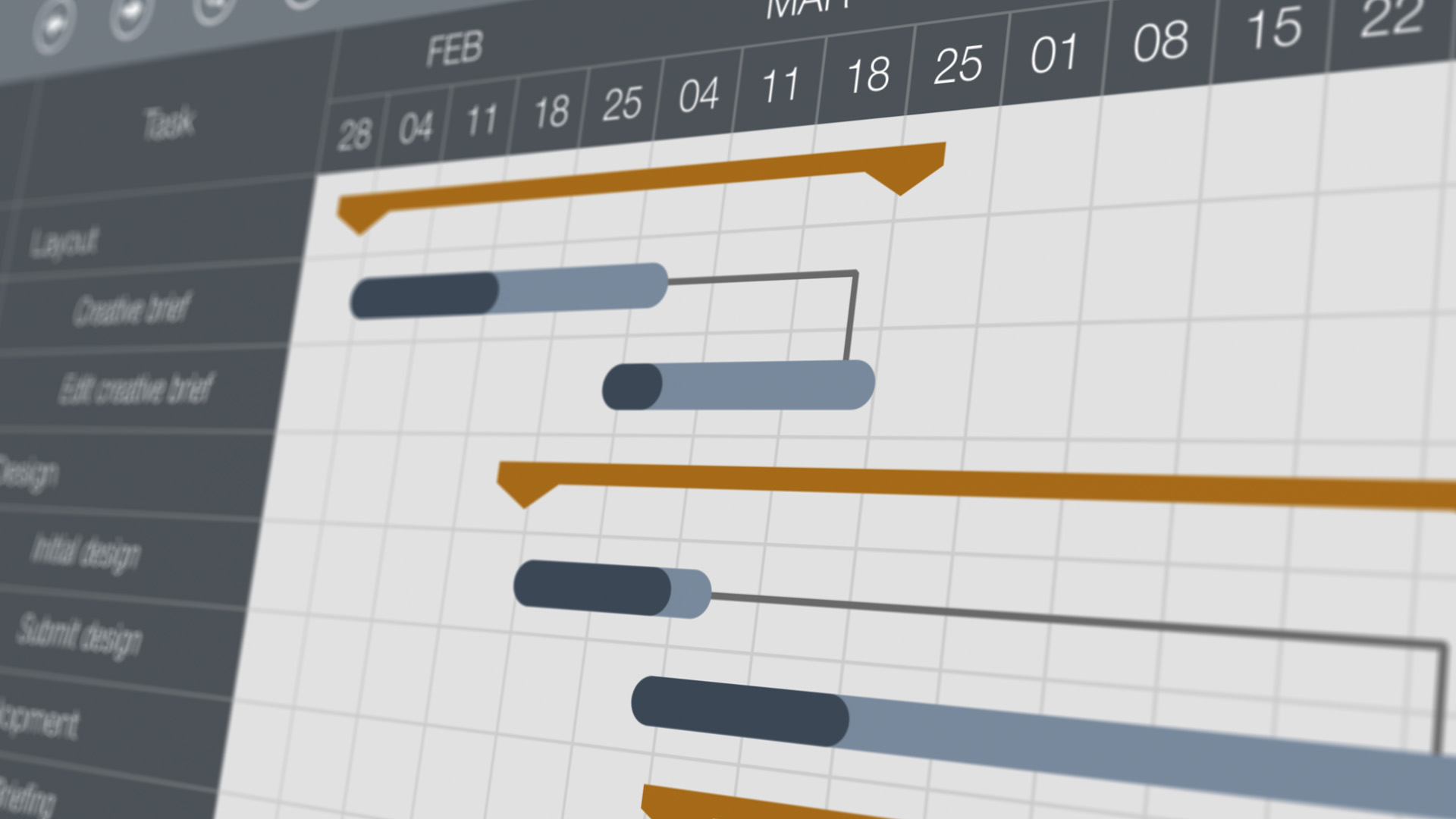
Educational publishing involves tasks that depend on each other. For example, writing must be reviewed before design can begin, accessibility checks may rely on final layouts and rights clearance may affect what content can be used. Mapping these dependencies early allows project plans to reflect how work really progresses. It also highlights where delays are most likely to have an impact. Building in contingency measures at key stages helps reduce pressure later in the project and supports consistent delivery. This has allowed us to deliver projects with tight, market-driven deadlines on time and to budget, such as this multi-component suite of English Language Teaching resources.
Use structured workflows to support quality
Quality assurance processes are most effective when they are planned and built into the development process, and not rushed. Structured workflows that define review stages, approval points and sign-off responsibilities help maintain standards without slowing progress. For example, at the start of each project, Haremi will assign an experienced project manager to oversee the project, who will collaborate with all project stakeholders to establish key standards, checkpoints, and acceptance criteria that will guide quality monitoring and evaluation throughout the project.
Communicate regularly and with purpose
At the start of each project we discuss a communications plan with each customer, which will outline the 'what', 'when', 'who' and 'how' of all project communications. Real-time chat-based collaboration in apps such as Teams or Slack allows the project team to communicate effectively and efficiently day-to-day. The communications plan will also outline the requirements for other forms of regular communication, including progress meetings and formal reports. In our experience, short and purposeful recurring meetings are useful to provide teams with updates on progress, highlight any risks, and outline the next steps – without taking too much time out of everyone's day.
Clear communication is particularly important when working with distributed teams or external contributors. We always produce written summaries of decisions and actions, whether agreed inside or outside of meetings, to reduce the chance of misunderstandings and create a reliable project record.
Manage risk early and visibly
All projects carry risk, whether related to resourcing, schedules, technology or external dependencies. Identifying risks early allows teams to put mitigation plans in place while options are still available. Maintaining a visible risk log encourages proactive discussion and shared ownership. This approach supports problem solving and helps prevent small issues becoming significant delays. At the start of most projects, the Haremi team creates a RAID (Risks, Actions, Issues, Decisions) log, which is regularly maintained and reported throughout a project's lifecycle. Typically, this will be a live shared document accessible by all project stakeholders. The log contains information such as type of risk, severity and the likelihood of it occurring. We also log the tangible mitigation measures we are taking for each risk.
Adapt methods to fit the project
No single methodology suits every educational publishing project. Some benefit from a more linear approach, while others are better suited to iterative development. Adapting project management methods to the size, complexity and delivery model of the work helps teams stay flexible while maintaining control. The aim is to support progress and quality, not to follow process for its own sake. Haremi often adjusts processes to best fit the preferences of the customer teams we collaborate with and the unique requirements of each project we work on. Each project manager is given the flexibility to make decisions in the best interests of their projects and customers, in order to react quickly and adapt to changing circumstances, proactively resolving issues and minimising delays.
Project manager profile: Sally Blackett

Sally is one of Haremi's senior project managers, overseeing the production of print and digital content projects across a wide variety of products and customers. Here she shares more about her experience at Haremi, and her tips for success in a publishing project management role.
What does your role at Haremi involve?
As a senior project manager, I focus on keeping projects running smoothly from kick-off to delivery. I work closely with clients and Haremi partners, manage planning, budgeting and scheduling, and make sure everyone always knows where things stand.
I use a mix of project management tools and approaches, make sure quality standards and procedures are followed, and look for ways to improve how we work. I also support and guide project teams, recruit and train staff when needed, and stay aware of what's happening in publishing, education and project management so I can spot issues early and help find solutions.
What project at Haremi are you most proud of?
I've worked on many digital and print projects at Haremi, but the Illustrative Maths project for Imagine Learning really stands out for me. We delivered a full suite of Student Workbooks and Teacher Books in an upgraded design – 216 books over two years! It meant coordinating a big internal editorial team plus external designers, seeing it all come together and delivering on time was hugely rewarding!
How do you build strong relationships with stakeholders?
For me, it's all about clear, consistent communication. I stay in regular contact, share updates proactively, and make sure stakeholders always know what's happening next. I focus on understanding what they need, keeping the process smooth, and bringing solutions rather than problems. That way, they feel genuinely supported throughout their project.
What's one lesson you've learned that changed the way you manage projects?
Flexibility matters more than the perfect plan. Even with good scheduling tools, things shift, so being adaptable and solution-focused helps keep projects on track.
What's the toughest project challenge you've faced, and how did you handle it?
Removing two months from a project schedule was definitely a test. I gathered all the information fast, scaled up resources across the team, kept everyone motivated, and made sure risks were clearly communicated to both the team and the customer. It was a big challenge, but we delivered.